West Africa: When startups become a driving force for the future of ECOWAS and UEMOA
3/12/25
In West Africa, youth entrepreneurship is still in its infancy. However, there is no shortage of community-led initiatives aiming to change the status quo. While ECOWAS has its "International African Talents" program, UEMOA offers the "UEMOA Startup Springboard." These strategic levers for youth employability and regional commercial expansion were presented in Dakar as part of the professional meetings held during the first edition of the West African Arts and Culture Festival (ECOFEST 2025).
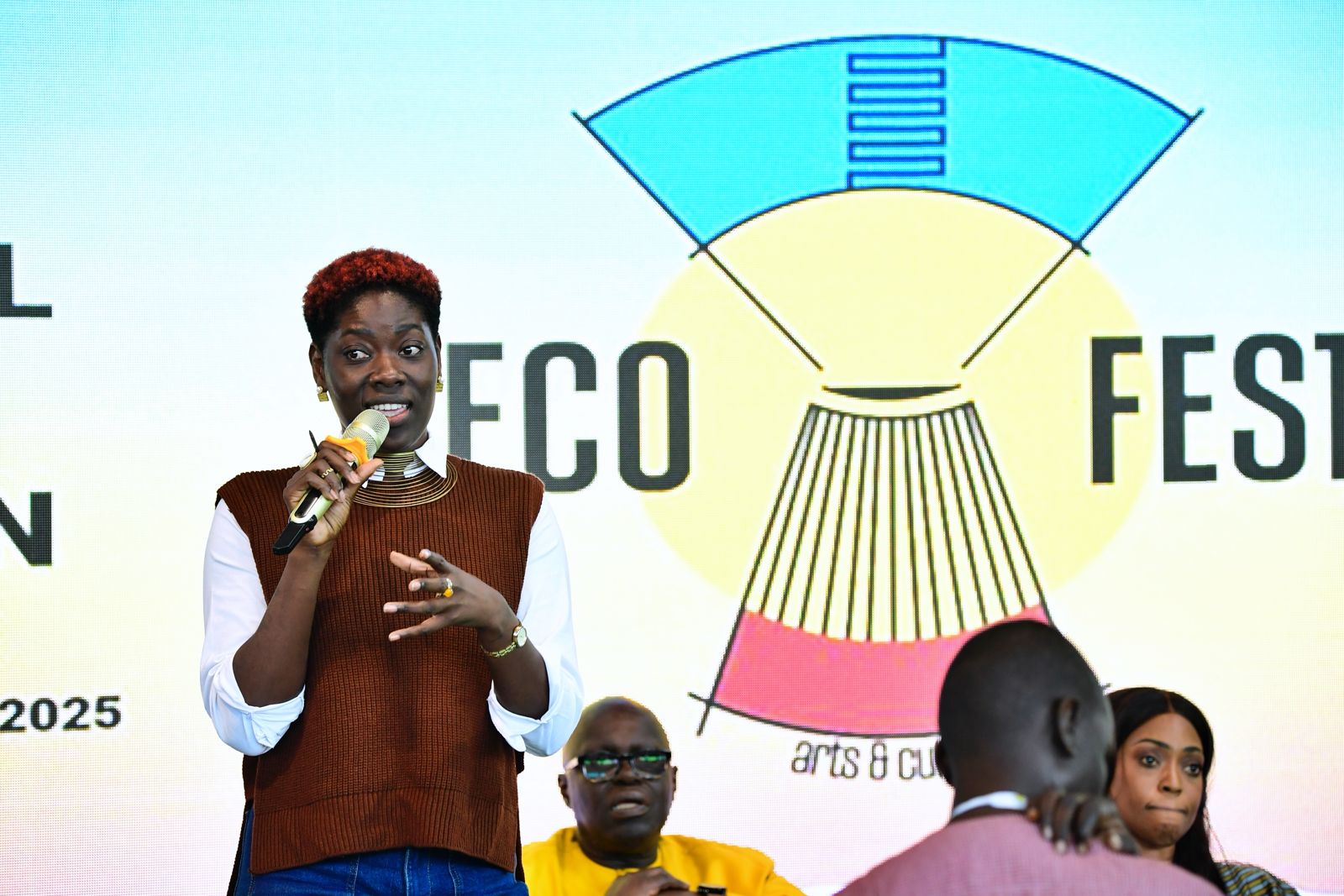
Youth took center stage on Wednesday, December 3, 2025, at the Museum of Black Civilizations, which hosted a panel on the theme: "Cultural and Creative Industries and Digital Technology: Production, Distribution, and Business Models."
This panel falls under Axis 2 (Cultural and Creative Industries and the Regional Market) of the professional meetings organized as part of the first edition of the West African Arts and Culture Festival (ECOFEST 2025).
The ECOWAS and UEMOA Commissions were on hand to present their flagship regional programs dedicated to youth.
Through its "International African Talent" program, which has engaged 5,597 registered young people and 483 accredited companies, ECOWAS is working to turn youth employability into a reality.
This program, presented by Ms. Rose Tiémoko Kabran, in charge of Trade at ECOWAS, aims to reach every country in the region, mobilize the private sector, further engage young people, and secure sustainable funding for West African startups.
In addition, there is the ECOWAS Volunteer Program for youth. This initiative, which has already helped deploy volunteers in sectors such as education, medicine, and peace missions, among others, has had a positive impact. It has helped support 13,060 students and provided treatment for 212 patients.
Not to mention the flagship initiative of the "ECOWAS Youth and Sports Development Centre in support of youth." This lever provides assistance to national volunteer agencies for the recruitment of ECOWAS volunteers.
For WAEMU, Mr. Bou Sidibé, head of the "UEMOA Startup Springboard" initiative, is convinced that if the Union wants to accelerate its development, it must invest in its youth.
And for good reason: Africa is moving forward with rapid demographic growth. In 2019, youth represented 26% of the global population, compared to 77% in 2025.
It is an immense force, yet one that remains underutilized within the WAEMU region, where youth entrepreneurship is still held back by a lack of funding, adequate training, support, and opportunities.
It was this observation that led the Commission to initiate a reform of the business climate in 2019 and, starting in 2020, to launch the "WAEMU Startup Springboard" initiative. This program aims to encourage corporate innovation by supporting creative startups through a series of competitions in the following fields: Cinema and audiovisual, Music, Performing arts, Publishing, Visual arts, Artistic crafts, Design, Fashion, and Video games.
The 3rd edition focused on "Creative and Digital Marketing in the Service of Cultural and Creative Industries."
More than just a competition, this initiative is presented as a springboard. In each member state, the ten best startups are identified, supported, and then compete at the regional level.
The most promising innovations are highlighted and financially supported, with up to 14 million CFA francs (approximately $25,000) for regional winners, in addition to bonuses for the support structures.
In four years, the initiative has uncovered talent in sectors as diverse as the green economy, digital agribusiness, and cultural and creative industries. Female participation is increasing, enthusiasm is growing, and these startups are becoming true drivers of economic transformation.
But UEMOA does not stop there. Between editions, Mr. Sidibé notes, a capacity-building program helps entrepreneurs master an often-overlooked issue: intellectual property, which is essential for protecting and leveraging their innovations.
Ultimately, the Springboard tells a simple story: that of a region that believes in its young people and is betting on entrepreneurship to change economic trajectories. This momentum is set to grow, as young people everywhere are asking for more.
Judging by the audience's enthusiasm, one thing is certain: the future of innovation in WAEMU and ECOWAS begins here—and it is already in motion.