ECOFEST 2025: Obstacles to artistic mobility at the heart of the conversation
3/12/25
Gathered on Wednesday, December 3, 2025, at the Museum of Black Civilizations in Dakar, on the sidelines of the first edition of the Festival of Arts and Culture (ECOFEST), West African cultural stakeholders held an extensive debate on the obstacles hindering the movement of artists and their works within the regional community.
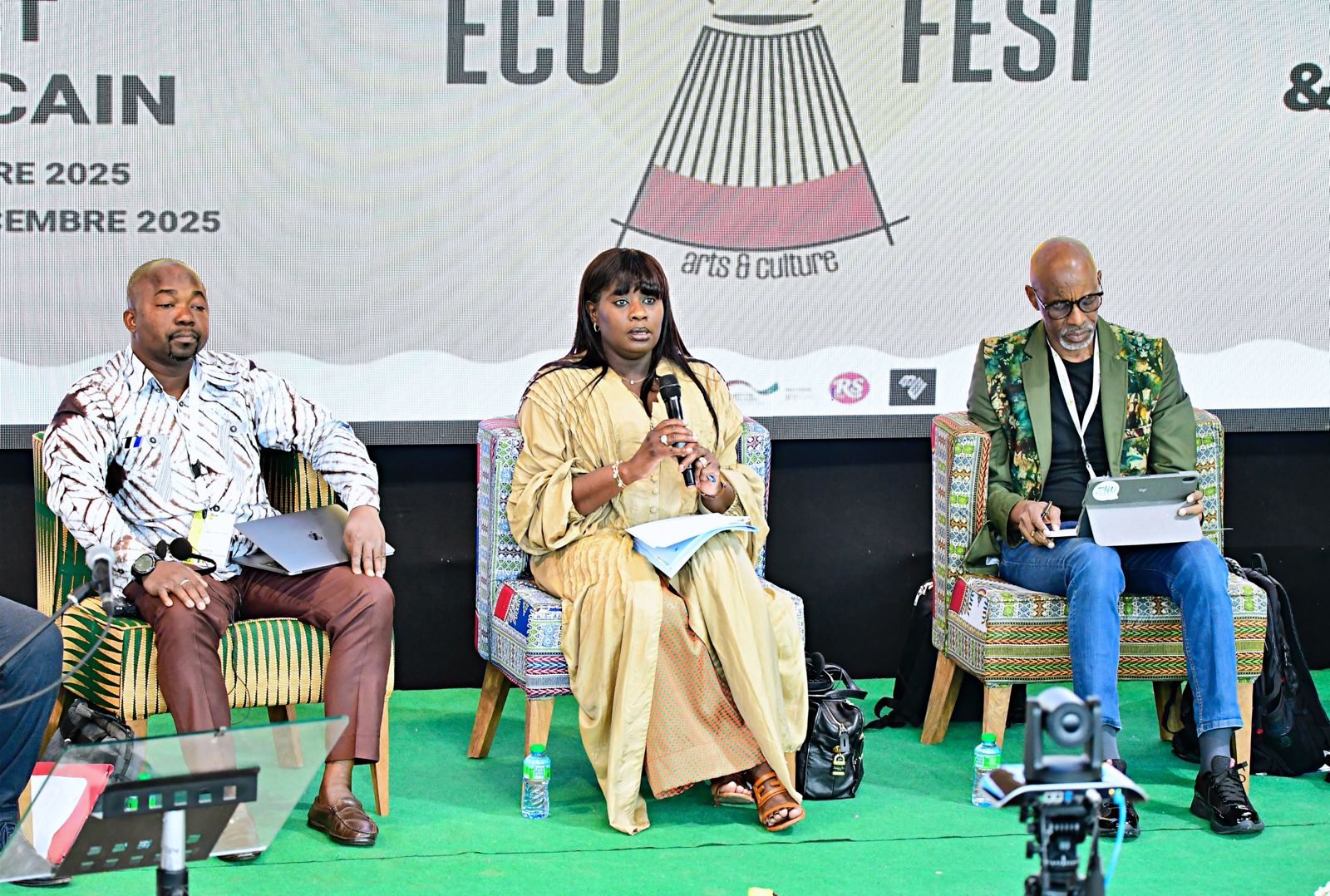
Before a large audience, Marième Bâ, Secretary General of the Dakar Biennale of Contemporary African Art, and Aboubacar Ouango, in charge of marketing and fundraising for the Panafrican Film and Television Festival of Ouagadougou (FESPACO), delivered candid assessments accompanied by strong recommendations.
Drawing on her years at the heart of the Dakar Biennale’s organization, Marième Bâ highlighted the scale of the event, which can host up to 150 nationalities. It is a flourishing international dynamic, yet one paradoxically thwarted by persistent regional difficulties.
"While we can receive works from the Caribbean or the United States in less than five days, it sometimes takes 15 to 30 days for a piece to arrive from Côte d'Ivoire," she lamented.
Customs procedures, interregional transport costs, and the lack of harmonized systems within ECOWAS weigh heavily on the Biennale's operations, with a large portion of its budget consumed by the transport of artworks.
She also pointed to another major hurdle: the insufficient quality of the portfolios submitted by many artists in the region.
"They have the talent, but not always the tools to showcase their work," she stated, highlighting the difficulties international selection committees face in identifying professional profiles. This structural weakness limits the mobility, visibility, and opportunities available to African artists themselves, who are paradoxically more often discovered by foreign institutions than by their neighbors on the continent.
Aboubacar Ouango, representing FESPACO, drew a similar conclusion for the film sector. While the ECOWAS free movement protocol exists, "the reality on the ground demands effective implementation," he regretted. Border harassment, administrative arbitrariness, and slow authorization processes continue to hinder the mobility of artists and their technical teams.
"The mechanisms exist, but their application remains very difficult," he insisted, noting that even travel between border towns can become an obstacle course.
Faced with this situation, the two speakers formulated several recommendations to improve matters. Marième Bâ advocated for greater administrative flexibility: customs facilitation for all official and "off" events, institutional support for artists staying in Senegal, and logistical assistance for the transport of works.
For his part, Aboubacar Ouango emphasized the need to strengthen audiovisual co-productions between African countries, encourage technical synergies, and increase film literacy initiatives for young audiences. He also proposed the implementation of awareness campaigns at borders to reduce harassment and better promote free movement protocols.
In conclusion, this ECOFEST panel highlighted the urgent need for concerted action to turn the regional community into a true territory of fluid and dynamic cultural exchange—an essential condition for African artists to circulate, collaborate, and shine, both at home and around the world.