ECOFEST 2025: When sport reinvents the future of West Africa
1/12/25
In West Africa, a new vision is emerging: transforming sport into much more than just physical activity. A project exploring the potential of sport within culture aims to turn it into a powerful cultural industry—a driver of local empowerment and social cohesion—by leveraging collective brands rooted in regional heritage.
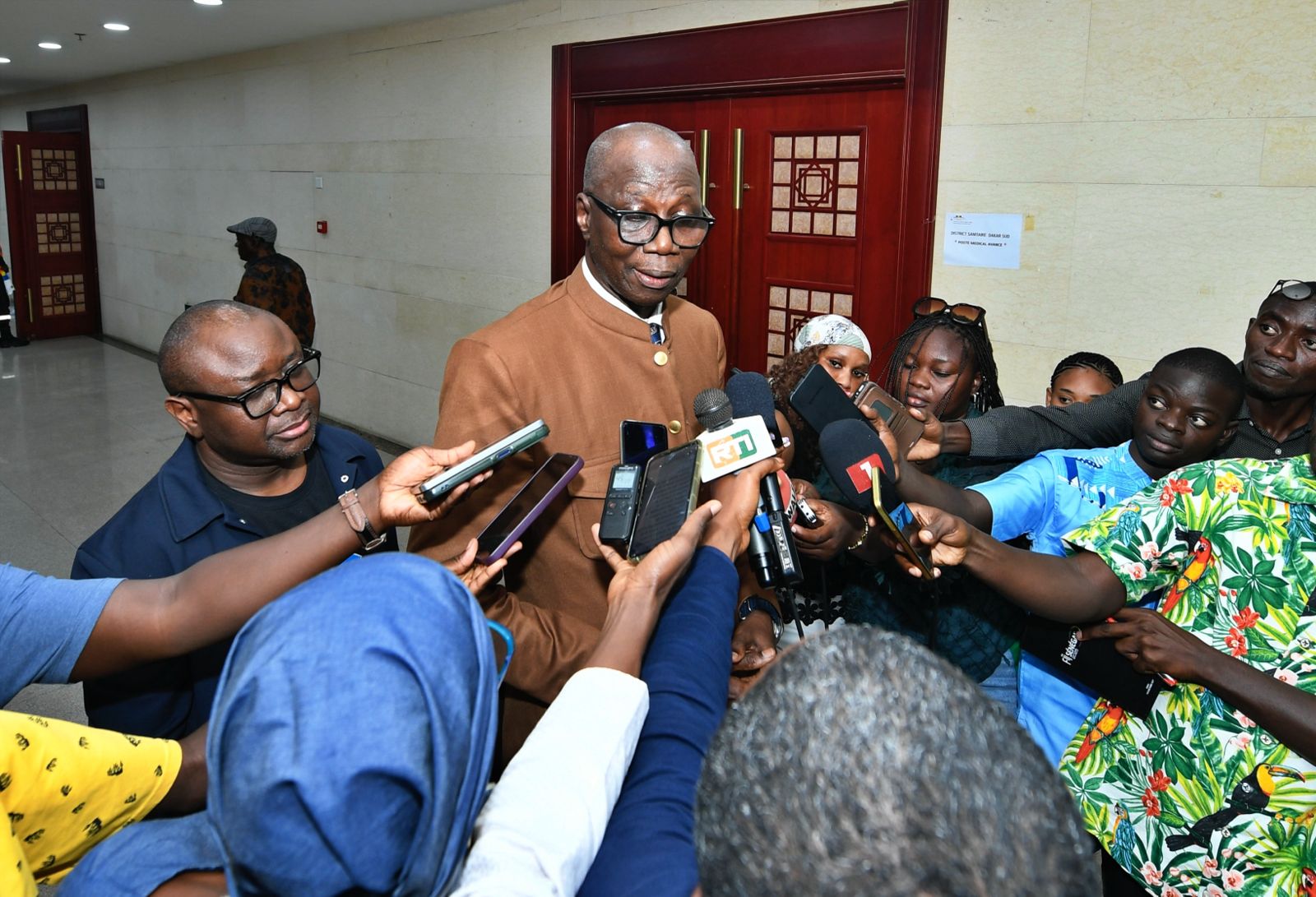
The vision that emerged from Professor Mamadou Fall’s inaugural lecture, delivered on Monday in Dakar at the first edition of the West African Festival of Arts and Culture (ECOFEST 2025), is to perceive sport as a cultural industry. The core idea is to structure sport as a genuine value chain that creates jobs.
By designing strong community sports brands rooted in the history and culture of each region, Professor Fall believes it is possible to develop a viable economic ecosystem around media, events, merchandise, craftsmanship, and cultural entrepreneurship.
In the presence of Mr. Bakary Sarr, Senegalese Secretary of State for Culture, Creative Industries, and Historical Heritage; Professor Fatou Sow Sarr, ECOWAS Commissioner for Human Development and Social Affairs; and Mr. Mamadou Diakité, President of the UEMOA Commission at this inaugural conference, Professor Fall argued that this model is intended to be a driver of emancipation for youth and advancement for women. It aims to strengthen territorial identity and social cohesion, particularly through cross-border competitions, while becoming a pillar for sustainable tourism and regional development. The sports jersey, for example, transcends its status as a piece of clothing to become an emblem of belonging and responsibility.
Concrete initiatives to embody this vision
Several concrete initiatives already illustrate this potential. Projects such as "Sahel Hoops" for basketball or "West African Street Ball" for street football (freestyle, futsal) aim to create circuits, festivals, and talent showcases, offering entrepreneurial opportunities to young people.
Other concepts explore the richness of local regions: the "Atlantic Surf Collective" for beach sports and sports ecotourism, or the "Sahel Trail" with its endurance races and ultra-trails in the desert, blending athletic performance with athlete narratives, potentially enhanced by artificial intelligence.
These attributes attributed to sport extend to merging sports with the performing arts through "The Griot Game," an incubator for youth creativity via hybrid urban festivals. A dedicated brand, "Femmes du Sahel," is also designed to promote women's sports, combining performance, leadership, and cultural pride.
Community centers at the heart of the framework
At the heart of this framework, community civic centers play a fundamental role. They are designed as the operational platforms for this vision: laboratories for innovation, as well as hubs for training, certification (quality, ethics, fair play), documentation, and mediation for this new sporting and cultural heritage.
These centers become the incubators where collective brands come to life, where quality standards are established, and where young people can develop their skills, thereby transforming a strong cultural identity into shared economic power.
Culture: a path toward a fairer future
Ultimately, this project addresses a crucial question: what role should culture play in the face of crises and changes in West Africa?
The answer proposed by Professor Fall is clear: root modernity in local traditions and use concrete tools like collective brands to generate social cohesion and strengthened local governance.
The ambition is to make culture not a luxury, but the shortest and most relevant path toward a West African future that is fairer, more clear-sighted, and more livable for all.