ECOFEST: The Innovation and Heritage Fair promotes culture as a vital force for resilience
4/12/25
Senegal's Minister of Culture, Crafts, and Tourism, Amadou Ba, officially opened the Innovation and Heritage Fair on the evening of Thursday, December 4, at the Place du Souvenir Africain in Dakar. This initiative, part of the first edition of the West African Festival of Arts and Culture (ECOFEST 2025), is jointly organized by the ECOWAS and UEMOA Commissions and the State of Senegal to promote arts and culture as drivers of peace, integration, diversity, and social cohesion in the sub-region.
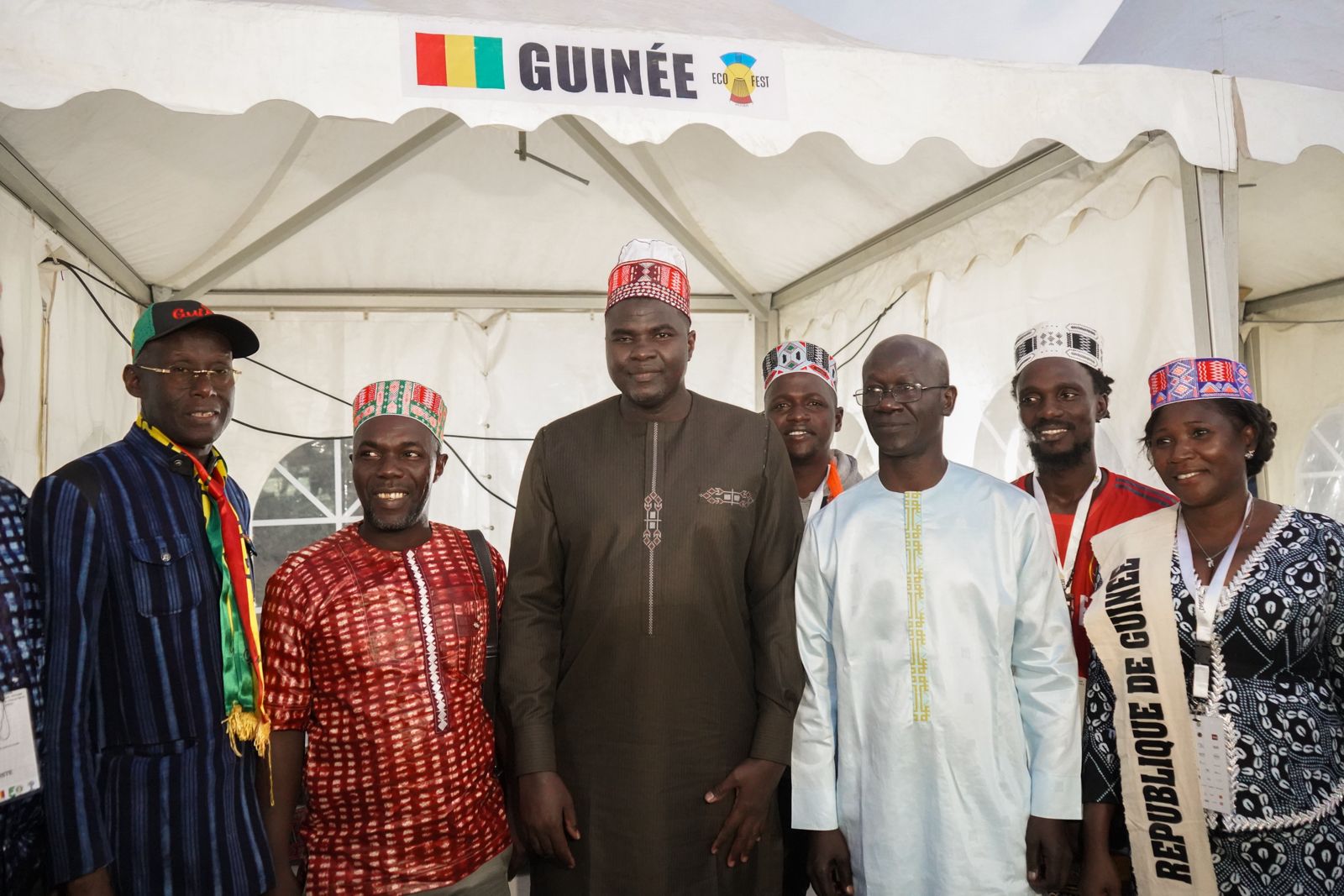
While inaugurating the ECOFEST 2025 art competition exhibition, Amadou Ba delivered a speech that served as a call to action.
In the face of the political turbulence shaking the sub-region, he positioned culture not as a mere ornament, but as a vital force for resilience, dialogue, and development. It was a powerful appeal to structure and support a sector that is vibrant yet still too fragile.
In his address, Amadou Ba praised the initiative by ECOWAS and UEMOA, highlighting their ongoing commitment to promoting the arts. The theme chosen for this first edition, "Political shifts and crises in West Africa: what can culture do?", is of "burning relevance and urgency".
For the Minister, this question challenges governments, cultural actors, and citizens to consider the fundamental role that the arts must play in building West African societies. He strongly reiterated the remarks made by Prime Minister Ousmane Sonko at the festival's opening, emphasizing that culture is an essential pillar in addressing contemporary challenges.
A vibrant artistic scene
"West Africa is currently a hub of exceptionally vital creativity. Our artists, through their talent and boldness, are flying the flag for our continent high on the international stage," the Minister declared.
This vitality was also illustrated by the artworks and cultural diversity on display at this Innovation and Heritage Fair.
Marveling at the digital creations after visiting the stands set up at the Place du Souvenir Africain, he highlighted the growing rise of African ingenuity.
"As I contemplate the works surrounding us, which are the fruits of the talent of young artists from the countries of our community, I am filled with optimism. They speak to us of our history, our plural identities, our common challenges, and above all, our capacity to reinvent ourselves and build a future of peace and shared prosperity," said the Minister.
The rise of African art recognized globally
Today, African artists in general, through their talent and boldness, are flying the flag for the continent high on the international stage, particularly during events like the Dakar Biennale, which have largely contributed to making the West African sub-region an essential crossroads for art.
"The art market, supported by an emerging middle class, savvy collectors, and a dynamic diaspora, is experiencing unprecedented growth. The largest auction houses and the most prestigious museums, from the MoMA to the Tate Modern, are now opening their doors wide to African creation," acknowledged Mr. Ba.
Structural challenges of a fragile sector
However, the Minister refused to "bury his head in the sand." Behind this vibrancy lie major structural challenges. The dominance of an informal market, a glaring lack of infrastructure for distribution and preservation, often insufficient state support, and a still-fragile legal framework are all obstacles to the full flourishing of talent.
The cornerstone of this ecosystem, the artist, still struggles too often to make a living from their craft and to see their rights protected. This precariousness threatens the very sustainability of the region's creative vitality.
In light of this, Amadou Ba issued a clear call to action. “It is imperative to create an environment that fosters the creation, professionalization, and recognition of artists. This requires the implementation of ambitious cultural policies.”.
The Minister detailed several priority areas, including formalizing the art market, strengthening training for cultural professions, protecting intellectual property, and supporting the mobility of artists and their works.
The emergence of new galleries, independent spaces, and digital, physical, or virtual platforms is seen as an opportunity to break down barriers in the art world and offer new income opportunities for creators.
Ultimately, the Minister reaffirmed that the artist must be at the heart of every concern. By providing them with the means to create, express themselves, and earn a dignified living from their work, West Africa will build a strong and sustainable cultural sector.
A sector that, in his view, will not only be a vehicle for social cohesion but also a genuine driver of economic development and an instrument of "soft power" on the global stage.