
African Craftsmanship – Perspectives from Two Master Artisans
3/12/25
At the ECOFEST Village, set up at the African Renaissance Monument, artisanal products and other artistic creations bring the scene to life. The venue provides a platform where African culture is showcased. Here, artisans and musicians mingle from morning until late at night—a harmony embodied by diverse backgrounds brought together by ECOFEST, the West African Arts and Culture Festival, held in Dakar from November 30 to December 6.
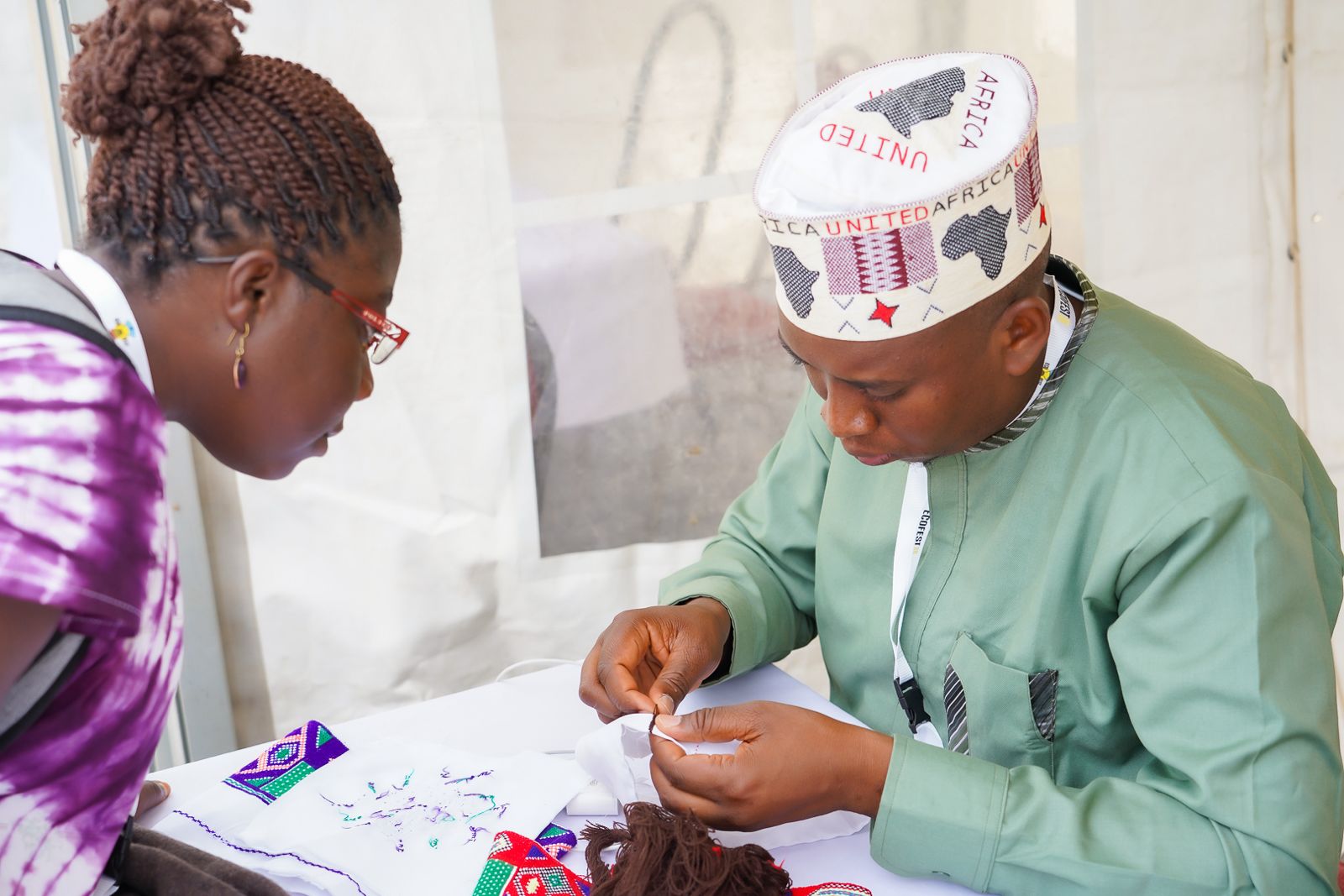
At the heart of this symphony, artisans find a showcase for meeting people, discovering others, and more.
Souleymane Traoré and Malick Diop, artisans from Mali and Senegal respectively, were interviewed at the Festival Village.
Question: What is the primary role of your art in African culture and identity?
Souleymane Traoré – Malian artisan, bead specialist
"Craftsmanship is fundamental because it allows us to know and understand our cultures. And when you know your culture, you give it value. In beads, for example, there are many secrets: they are natural materials that carry protection, symbols, and blessings. Everything in nature has a meaning. Unfortunately, many Africans no longer take the time to learn their own values. I call on young people: return to our cultures, learn them, and cherish them."
Malick Diop – Senegalese artisan, leather worker
"Our work needs to be better valued because craftsmanship plays an important social role. An artisan is someone who passes on knowledge: they can train children and offer a second chance to those who have left the school system. Craftsmanship is a path to integration that helps families and entire communities."
Question: Given current challenges, what do artisans need most to develop and sustain their businesses?
Malick Diop – Senegalese artisan
"We need better support. We do our best, but we lack many things: access to digital technology, computing, and modern tools. If the government helps us in these areas, craftsmanship will be able to truly evolve and continue to play its social and educational role."
Souleymane Traoré – Malian artisan
"We need the value of our work to be recognized. We use natural materials to make jewelry, necklaces, and unique pieces that carry meaning. When people understand the cultural richness behind each creation, our work is better respected. And if the youth return to our traditions, it will give even more strength to African craftsmanship."